Trump Recognizes 'Angel Families,' Links Tragedies to Border Policy
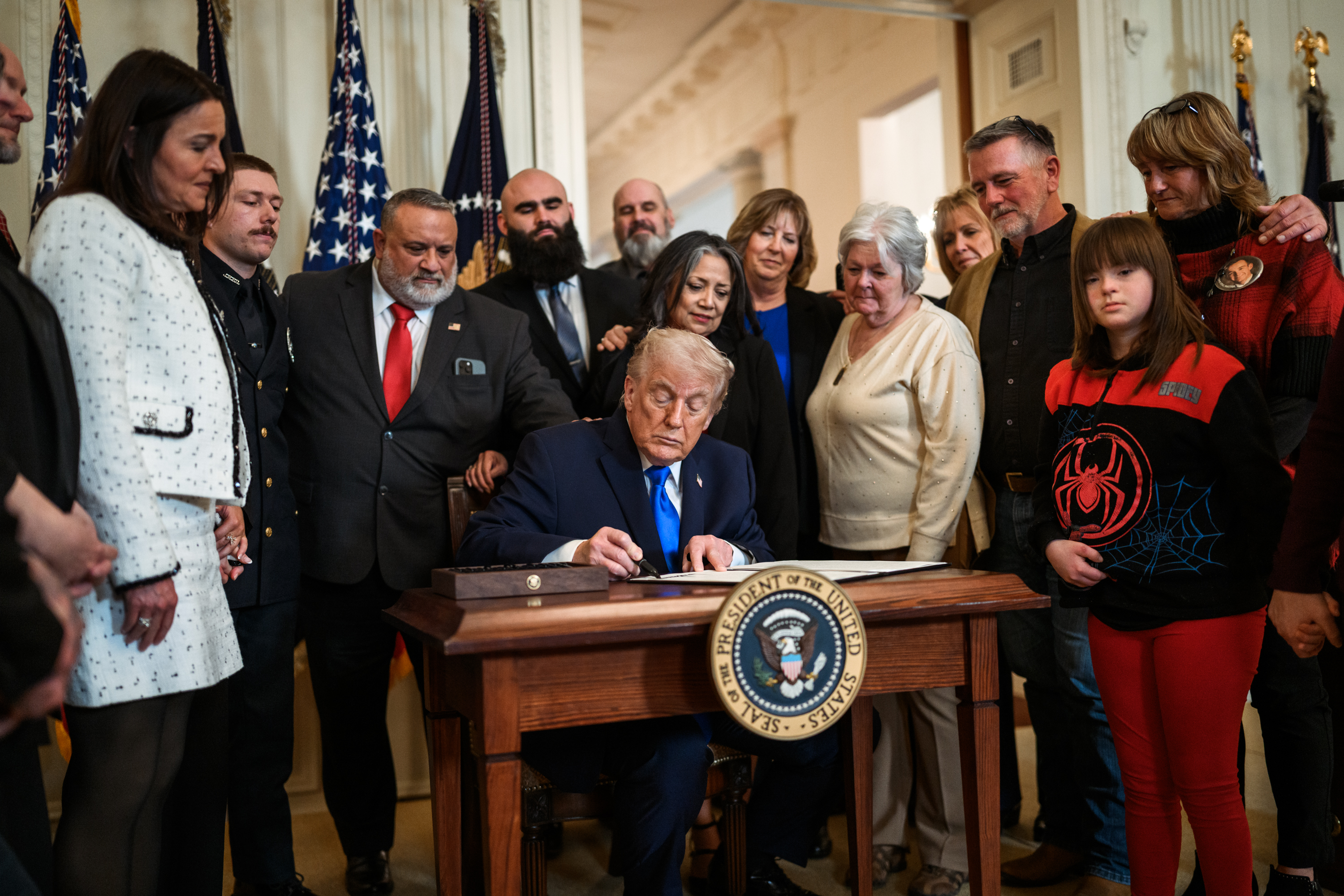
In a powerful and emotionally charged White House ceremony, former President Donald Trump officially signed a proclamation designating "National Angel Family Day." This significant act honored families who have endured the unimaginable loss of loved ones due to crimes allegedly committed by individuals residing in the United States illegally. The event served as a poignant platform for Trump to reiterate his firm stance on border security, drawing a direct correlation between current immigration enforcement policies and the preventable deaths suffered by these families. The consistent focus on Laken Riley's Legacy: The 'Angel Family' Movement and Trump underscores the deep personal and political resonance of this issue for Trump and his supporters.
For years, the term "angel families" has become synonymous with a movement advocating for stricter immigration laws, bringing a deeply human face to the often-abstract debate surrounding border security. Trump’s consistent engagement with these families has been a hallmark of his political messaging, presenting their stories as compelling evidence for the urgent need to secure the nation’s borders. This recognition, far from being a mere symbolic gesture, reinforces a central pillar of his political platform, aiming to connect with voters who prioritize national sovereignty and public safety.
The Genesis of 'National Angel Family Day' and the Laken Riley Case
The timing of the "National Angel Family Day" proclamation was deeply intertwined with the tragic death of Laken Riley, a 22-year-old nursing student whose life was cut short in February 2024. Riley was found dead after jogging in a wooded area on the University of Georgia campus, and her alleged killer, Jose Antonio Ibarra, a Venezuelan man, was later convicted and sentenced to life in prison. Ibarra had previously been arrested for illegally entering the U.S. and subsequently released to pursue his case in immigration court, a detail that ignited national outrage and fueled the immigration debate.
Laken Riley's case rapidly became a flashpoint, symbolizing for many the perceived failures of current border policies. Her mother, Allyson Phillips, publicly thanked Trump for his unwavering support and recognition. "You have said from the beginning, literally the day after this happened, that you would not forget about Laken. You weren’t president at that time, and you have not forgotten," Phillips stated, highlighting Trump's commitment to her daughter's memory and to the broader 'angel family' cause. She described Laken as "the most responsible, hardworking, kind, selfless, beautiful Christian," a "good girl" who simply wanted to go for a run.
In a testament to the profound impact of Laken's story, the first bill signed into law during a potential second Trump term is slated to be the "Laken Riley Act," specifically targeting migrants accused of crimes. This legislative initiative underscores the tangible policy changes that the Angel Families Speak Out: Victims Demand Stronger Border Security movement seeks to achieve, moving beyond recognition to concrete action.
Trump's Stance: Connecting Tragedies to Border Policy
At the heart of Trump's message to the 'angel families' is a stark and unwavering claim: the deaths of their loved ones were preventable. He has repeatedly asserted that stronger immigration enforcement would have averted these tragedies, placing direct blame on political decisions that he argues prioritize foreign nationals over American citizens. "Everyone in this room not only suffered an infinite loss, they were the victims of politicians who put the comfort of foreign criminals before the safety of American citizens and American patriots," Trump declared at the White House event.
This sentiment was echoed by other 'angel family' members present. Steve Ronnebeck, whose son Grant, an Arizona gas station clerk, was shot and killed by Apolinar Altamirano—a man allegedly in the U.S. illegally—testified to this devastating reality. Ronnebeck unequivocally called his son's death, and others like it, "preventable," directly accusing the Biden administration's border policy of contributing to these losses. This perspective is central to how the `angel families trump` narrative is constructed, framing the issue not as random acts of violence, but as systemic failures with identifiable political roots.
Trump's framing of these incidents as direct consequences of political choices serves to mobilize his base and solidify his image as a champion of law and order. His narrative consistently links human tragedy to policy decisions, presenting a clear path forward: robust border security as the ultimate preventative measure. This strategic messaging aims to resonate with a broad segment of the populace concerned about national security and the rule of law.
The Broader 'Angel Family' Movement: Voices of Grief and Advocacy
Beyond the individual cases highlighted, the 'angel family' movement represents a collective voice of profound grief transformed into powerful advocacy. These families, united by an unspeakable shared loss, are not merely mourning; they are actively seeking justice and demanding systemic change. Their personal testimonies serve as compelling narratives, bringing the often-impersonal statistics of border crossings and crime into sharp, painful focus. Each story underscores the human cost that they attribute to porous borders and perceived lax immigration enforcement.
The emotional impact of their stories is undeniable. By sharing their experiences, 'angel families' aim to galvanize public opinion, urging policy-makers to prioritize the safety and security of American citizens. Their advocacy often extends to specific legislative proposals, such as the Laken Riley Act, demonstrating a commitment to tangible solutions beyond emotional appeals. A key insight here is the unique power of personal tragedy in political discourse; it's difficult for anyone to dismiss the lived experience of these families, lending significant weight to their arguments for stronger border security. Their enduring pain fuels their resolve to ensure that no other family has to suffer a similar fate, making them potent, persuasive advocates in the national immigration debate.
Their collective presence and sustained activism ensure that the issue of immigrant-involved crime remains prominent in national discussions, compelling politicians and the public alike to confront the complex realities of immigration policy and its consequences. The movement offers practical advice to those who wish to support their cause: amplify their stories, advocate for stricter border laws, and engage in informed discussions about immigration reform.
Analyzing the Political Ramifications and Future Outlook
The recognition of 'angel families' by Donald Trump carries significant political weight, particularly as the nation approaches future electoral cycles. This issue serves as a potent rallying cry for his base, underscoring his commitment to a "America First" agenda that prioritizes the safety and sovereignty of the nation. By consistently highlighting these tragic stories, Trump effectively galvanizes support for his proposals on border security, which include policies like mass deportations, increased physical barriers, and stricter asylum laws.
From a political strategy perspective, the `angel families trump` narrative skillfully intertwines individual suffering with broader policy failures, creating a powerful emotional appeal that resonates deeply with voters concerned about national security. Trump has often pointed to his previous administration's "high marks" for effectively reducing illegal immigration from Mexico, contrasting it with the current situation at the border. He contends that had he not "lost" the 2020 election, similar robust enforcement measures would have remained in place, preventing many of the tragedies now being mourned.
The future outlook suggests that the 'angel family' movement will continue to play a crucial role in shaping the national conversation on immigration. Their powerful testimonies and direct appeals will likely keep border security at the forefront of political debates, especially as election seasons intensify. The Laken Riley Act, as a tangible legislative response, demonstrates the potential for these personal stories to translate into policy initiatives. The debate surrounding immigration is complex, encompassing humanitarian concerns, economic impacts, and national security. However, the voices of 'angel families' ensure that the human cost of border policy remains a central and unavoidable aspect of this ongoing national discussion.
In conclusion, Donald Trump's consistent recognition of 'angel families' and the designation of a "National Angel Family Day" underscore a powerful and enduring theme in American political discourse. By foregrounding the tragic experiences of families like Laken Riley's, Trump has effectively linked the human cost of alleged crimes by individuals in the country illegally to broader failures in border policy. This strategy not only honors victims but also serves to galvanize support for a stringent approach to immigration enforcement. The profound impact of these personal stories continues to shape public perception and will undoubtedly remain a significant factor in the ongoing national debate over border security and immigration reform, ensuring that the voices of the 'angel families' resonate loudly in the halls of power and across the nation.